visa-free china
the 30-day list + 240-hour transit
lots of passports get in free now. seriously.
- around 48 countries (uk, canada, australia, most of the eu, japan, korea…) get 30 days visa-free under china's unilateral policy, currently set to run through dec 31, 2026
- us passports aren't on the 30-day list. use the 240-hour (10-day) visa-free transit instead, which covers 57 countries including the us
- 240-hour transit needs a confirmed onward ticket to a third country or region. hong kong, macau and taiwan count. flying back home doesn't
- fill in the online arrival card before you fly, and carry printouts of your onward ticket and hotel bookings
- rules change a lot. check your chinese embassy's site the week you book
a few years ago a china trip meant a visa application, a pile of documents, and a trip to a visa center. now most people from rich-ish countries can just show up. china has spent 2024–2026 rolling out visa-free entry like it’s a limited drop, and as of late 2026 there are two main ways in without a visa: the 30-day visa-free entry and the 240-hour visa-free transit.
here’s how each one works, who gets it, and the stuff that actually trips people up at the airport.
which countries get 30 days visa-free in china
this is the easy one. if you hold an ordinary passport from a country on the list, you can enter for up to 30 days for tourism, business, visiting family, exchanges, or transit. you don’t need an onward ticket to a third country and you don’t pay a fee.
the unilateral list (china offering it, no deal needed in return) currently covers about 48 countries. china extended it in november 2025 to run through december 31, 2026, and added the uk and canada from february 17, 2026.
| region | countries on the 30-day list |
|---|---|
| western europe | france, germany, italy, spain, portugal, netherlands, belgium, luxembourg, austria, switzerland, liechtenstein, monaco, andorra, ireland, uk |
| nordics + baltics | denmark, finland, iceland, norway, sweden, estonia, latvia |
| central + eastern europe | poland, hungary, slovakia, slovenia, croatia, bulgaria, romania, greece, cyprus, malta, montenegro, north macedonia |
| asia-pacific | japan, south korea, australia, new zealand |
| americas | canada, argentina, brazil, chile, peru, uruguay |
| middle east | saudi arabia, oman, kuwait, bahrain |
russia has its own separate 30-day visa-free arrangement, which china has extended to december 31, 2027.
on top of that, china has mutual visa exemption agreements with roughly 30 more countries. singapore, thailand, malaysia, the uae and qatar are among them. those aren’t tied to the december 2026 deadline in the same way, but the length of stay varies by agreement, so check yours.
wait, what about the us?
as of october 2026, us citizens aren’t on the 30-day list. but americans can use the 240-hour transit below, and plenty do. a 10-day trip that goes us → shanghai → tokyo → us is totally doable without a visa.
what happens after december 31, 2026?
honestly, nobody knows yet. china has extended this policy every year since it started in late 2023, usually announcing it a few weeks before expiry. if your trip is in january 2027 or later, don’t assume. check for an extension announcement before you book, or get a regular l (tourist) visa to be safe.
the 240-hour visa-free transit, explained
this one is a little more complicated but super useful. 240 hours = 10 days in mainland china with no visa, as long as you’re “transiting” between two other places.
as of the august 2026 update, it covers:
- 57 countries, including the us, uk, canada, most of the eu, australia, nz, japan, korea, singapore, brazil, mexico, russia, the uae, qatar, indonesia, vietnam, and kyrgyzstan
- 65 ports of entry (airports, seaports, and some rail/land crossings) across 24 provincial-level regions, including beijing, shanghai, guangdong, sichuan, chongqing, shaanxi, yunnan, zhejiang and jiangsu. recent additions include guangzhou-area ports, the hong kong-zhuhai-macao bridge, and west kowloon high-speed rail station
who qualifies for 240-hour transit
you need all of these:
- a passport from an eligible country, valid for at least 3 more months
- a confirmed onward ticket (with a date and seat) leaving china within 240 hours
- a “third country or region” route. you arrive from country a and leave to country b. hong kong, macau and taiwan count as separate regions for this
so:
- ✅ london → beijing → seoul
- ✅ new york → shanghai → hong kong
- ✅ sydney → chengdu → bangkok
- ❌ los angeles → shanghai → los angeles (that’s a round trip, not a transit)
- ❌ seoul → beijing → seoul
how the 240 hours are counted
the clock starts at 00:00 the day after you arrive. land at 9am on the 1st and your 240 hours start at midnight on the 2nd, so you get most of an extra day for free. you have to leave before the 240 hours run out.
where you can go
you can travel anywhere inside the 24 provincial-level regions covered by the policy, and you can cross between them. entering in beijing and leaving from shanghai or guangzhou is fine. a few places are outside the covered zone, including tibet, which needs a separate permit anyway. in some provinces only certain cities are covered (reports list e.g. 11 cities in sichuan and 9 in yunnan), so plan your route against the official list of regions and cities before you book.
how it works at the border
most people find this part surprisingly smooth.
- before you fly: fill in china’s online arrival card. it’s been live since november 2025 through the national immigration administration’s website, the nia 12367 app, or the nia 12367 mini-program in wechat/alipay. it’s free, so ignore any site that tries to charge you
- at check-in: tell the airline agent you’re entering visa-free. if you’re doing 240-hour transit, have your onward ticket ready. airline staff sometimes don’t know the rules, so screenshots or printouts help a lot (more on that below)
- at immigration: 30-day travelers just use the normal foreigner lane. 240-hour travelers should look for the dedicated visa-free transit / 240-hour lane or counter. show your passport and onward ticket. the officer may ask where you’re staying
- fingerprints + photo: standard for most foreigners aged 14–70
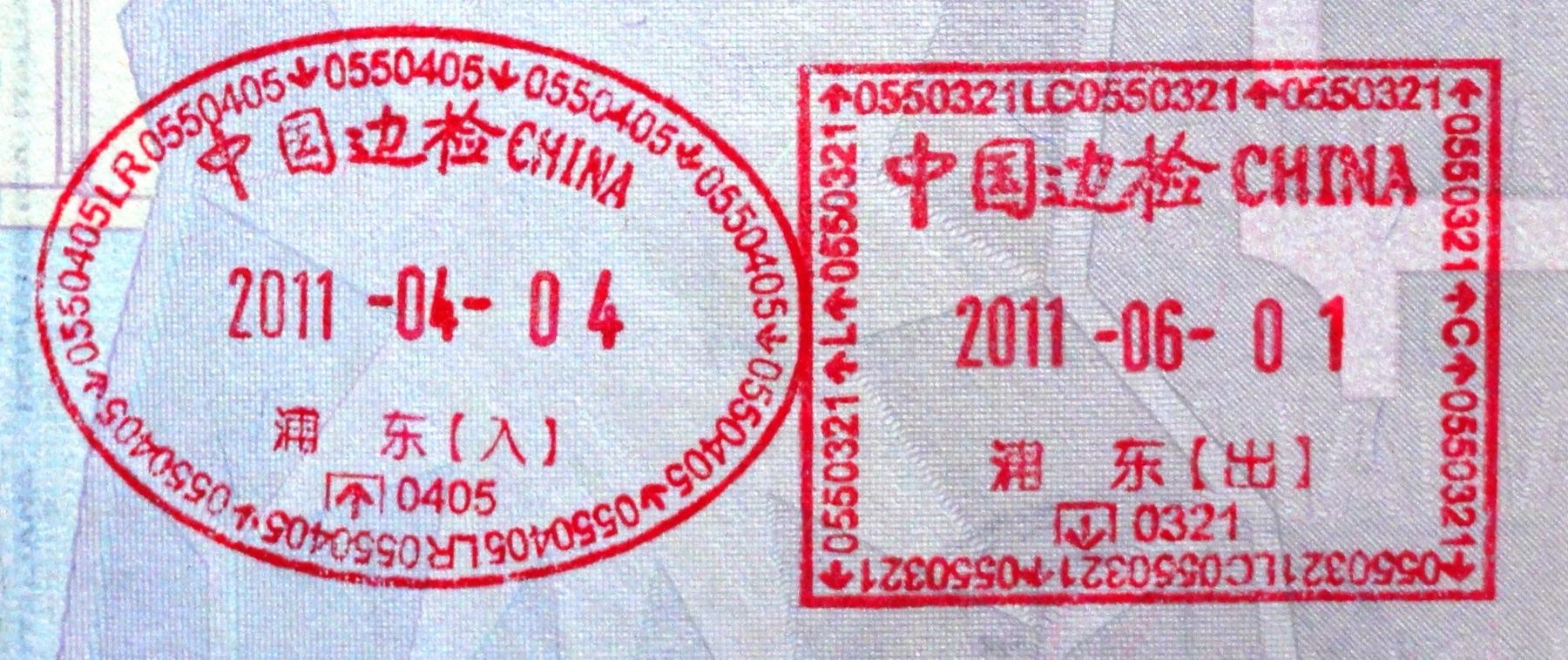
- stamp, done. check what your stamp says. it’ll show your permitted stay
common gotchas (read these, trust)
the airline is the real gatekeeper. immigration in china usually goes fine. the problems happen at the departure check-in desk, where agents sometimes don’t know the visa-free rules and refuse to board you. stay calm, show the policy, and ask them to check timatic (the airline system). it’s usually sorted in minutes.
“onward ticket” means confirmed. for 240-hour transit, a refundable placeholder you haven’t actually bought won’t cut it. you need a real booking with a date and seat.
hotels register you with the police. this is normal and automatic at licensed hotels. if you’re staying with friends or in an unlicensed airbnb, you’re technically required to register at the local police station within 24 hours. not every hotel is licensed for foreign guests, so book places that clearly are.
you can’t just extend. if plans change and you want to stay longer, you’d need to apply at the local exit-entry bureau, and it’s not guaranteed. overstaying gets you fines and possibly a ban. don’t.
30 days really means 30. count carefully. the day you arrive counts. set a reminder.
work, study and journalism aren’t covered. visa-free entry is for tourism, business meetings, visiting people, and transit. anything else needs the proper visa.
hong kong doesn’t use any of this. it has its own immigration system, and most western passports get visa-free entry there anyway. heading back into the mainland from hong kong counts as a new entry, which is why the hk “transit” trick works.
what to sort before you land
visa is only step one. honestly, the more important prep is:
- payments: set up alipay or wechat pay before you fly → our alipay & wechat pay setup guide
- internet: google, insta and whatsapp are blocked on local networks → how to stay online in china
- apps: maps, translation, ride-hailing → the apps to download before landing
- trains: you’ll need your passport number to book → the china bullet train guide
and get travel insurance. hospitals in china generally want payment upfront, and you do not want to be figuring that out in a waiting room.
for the rest of the prep, here’s what i packed for china (carry-on only), and how my first 48 hours in china went when i got half of this wrong.
the vibe check
- from europe, uk, canada, australia, nz, japan or korea? you probably get 30 days visa-free. just go (for trips before end of 2026)
- from the us, or need more flexibility? use the 240-hour transit. fly in from one place, out to another (hong kong counts), max 10 days
- trip in 2027? watch for the extension announcement before you book
- fill in the online arrival card, carry printouts, and book licensed hotels
if you’re still planning the trip itself, start with our first-time china itinerary and china travel budget guides. no cap, the visa part is the easiest it’s ever been.
the kit for this trip
heads up: some links above are affiliate links. if you book through them we earn a small commission at no extra cost to you — it keeps this guide free. more on that.