dumpling family tree
8 dumplings, 1 very big family
bite the hole first. i learned the hard way.
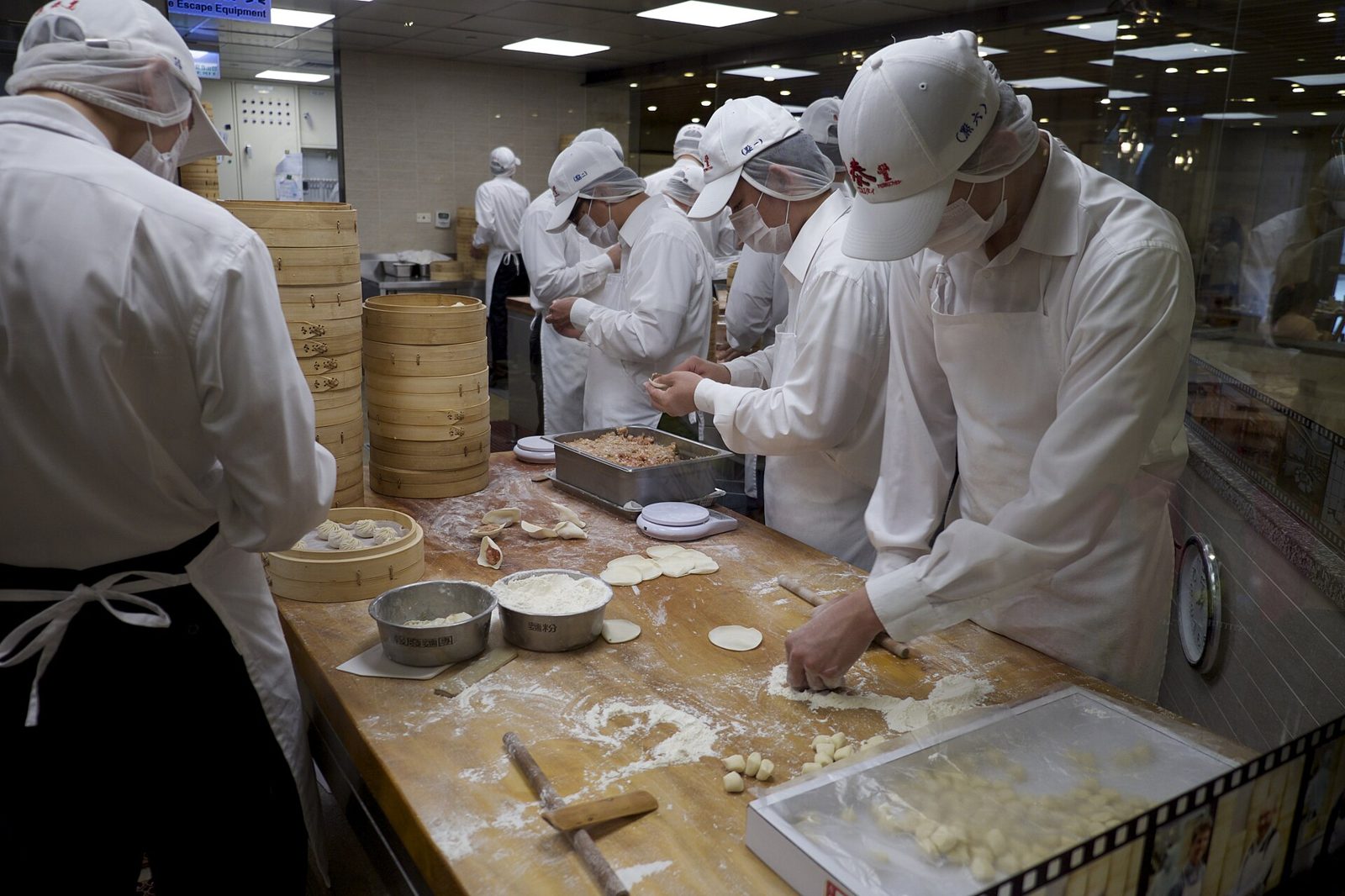
- the family splits by wrapper: wheat dough (jiaozi, wontons, xiaolongbao), yeasted bread dough (baozi, shengjian), starch dough (har gow), and glutinous rice (tangyuan).
- jiaozi legend credits han dynasty doctor zhang zhongjing; real tang dynasty dumplings were found preserved in tombs near turpan. at new year they're eaten for luck because they look like silver ingots.
- xiaolongbao trace to nanxiang, on shanghai's edge, around 1871. the soup comes from pork aspic that melts in the steamer.
- how to eat a soup dumpling: spoon, bite a small hole, let it cool, sip, then eat. never the whole thing in one go.
- most dumplings cost about $2–6 a serving. dim sum in guangzhou is a morning thing, go early.
“dumpling” in english is one word doing the work of a whole family. in china, a jiaozi is not a baozi is not a wonton is not a xiaolongbao, and calling them all “dumplings” is a bit like calling every relative at thanksgiving “cousin.” technically fine. kind of rude.
so here’s the family tree: eight members, where each one was born, what makes it different, and how to eat it without burning your face. tap a pin and meet the family.
meet the family: 8 dumplings on a map
xiaolongbao
小笼包 · xiǎolóngbāo · from nanxiang, shanghai · soupy
small, delicate steamed dumplings with a thin pleated wrapper around pork and a spoonful of hot broth. the soup comes from pork-skin aspic folded into the filling, which melts in the steamer.
“a thin, slightly chewy skin gives way and a rush of rich, savory pork broth floods your spoon. (or your chin, if you skipped the instructions.)”
the storythe usual origin story puts it in nanxiang, a town on shanghai's northwest edge, where a shop owner named huang mingxian started making smaller, thinner-skinned buns around 1871 near the guyi garden. nanxiang mantou dian, the famous shop by yu garden, carries the town's name. purists will tell you a good one has at least 14 pleats.
how to eat itlift it gently by the topknot into your spoon. bite a small hole in the side, let it cool for a few seconds, sip the soup, then eat the rest with a dab of black vinegar and ginger shreds.
shengjianbao
生煎包 · shēngjiānbāo · from shanghai · crispy
xiaolongbao's crunchier, chunkier sibling: a fluffier yeasted bun filled with pork and soup, pan-fried in a huge shallow pan until the bottoms are golden and crackly, then sprinkled with sesame and scallion.
“crunch from the fried bottom, a soft pillowy top, then a hot burst of soup. the contrast is the whole point.”
the storyshanghai's classic breakfast bun, around since at least the early 20th century and locally just called 生煎 (shēngjiān). the city has a long-running rivalry between styles: thicker, "dry" buns from old shops versus the soupier style made famous by the xiaoyang shengjian chain.
how to eat itsame rule as xiaolongbao but more dangerous: bite a small hole first and sip carefully. they're usually sold by the 两 (liǎng), roughly four buns.
jiaozi
饺子 · jiǎozi · from nanyang, henan (by legend) · chewy
the northern everyday dumpling: a chewy wheat wrapper folded into a crescent around pork and cabbage, pork and chive, lamb, egg and tomato, whatever. usually boiled (水饺), sometimes steamed or pan-fried.
“a soft, slippery, slightly chewy skin and a juicy, savory filling. dip it in vinegar and it's instantly better.”
the storylegend credits zhang zhongjing, an eastern han doctor from nanyang (around 150–219 ce), with wrapping mutton and warming herbs into ear-shaped "jiao er" to cure villagers' frostbitten ears in winter. the real record is older and broader: crescent dumplings that look exactly like today's were found in tang dynasty tombs at astana near turpan. at chinese new year, northern families make them together because the shape resembles old silver ingots, so eating them is eating good luck.
how to eat itmix your own dip at the table: black vinegar, chili oil, maybe raw garlic. dumplings are sold by weight, 一两 (one liang) is usually around five or six pieces. order a few fillings to share.
har gow
虾饺 · xiājiǎo · from guangzhou, guangdong · springy
the crown jewel of cantonese dim sum: whole shrimp wrapped in a translucent, pleated wrapper made from wheat starch and tapioca starch, steamed until you can see the pink through the skin.
“a springy, almost glassy skin, then a sweet, snappy shrimp. clean and delicate, nothing like a wheat dumpling.”
the storyit grew up in guangzhou's teahouses in the early 20th century, with most accounts tracing it to a teahouse in the wucun area on the city's outskirts, near rivers full of fresh shrimp. it became the benchmark dish of 饮茶 (yum cha): chefs are judged on it, and the folklore says a proper one has a set number of pleats (often quoted as 10 or more).
how to eat iteat it whole or in two bites, no sauce needed (maybe a touch of chili oil). handle it gently: the skin tears if you squeeze with chopsticks.
siu mai / shaomai
烧卖 · shāomài · from hohhot, inner mongolia · juicy
an open-topped dumpling, gathered like a little flower pot. in guangzhou it's pork and shrimp in a yellow wrapper with a dot of roe on top; in hohhot it's minced lamb and ginger in a frilly, paper-thin wrapper.
“cantonese style: juicy, bouncy pork and shrimp with a hint of mushroom. hohhot style: rich, gingery lamb in a skin so thin it's almost lace.”
the storythe earliest versions are generally traced to hohhot on the old tea-trade route, sometime between the ming and qing dynasties, served on the side in teahouses (one explanation of the name is "sold on the side"). merchants carried it to beijing and beyond, and by the time it reached the south the cantonese had remade it with pork and shrimp into the dim sum icon most people know.
how to eat itin guangzhou, with tea at yum cha. in hohhot, it's breakfast: ordered by the 两 with a pot of brick tea, and a dip of vinegar.
chili oil wontons
红油抄手 · hóngyóu chāoshǒu · from chengdu, sichuan · silky
sichuan's take on wontons: silky pork wontons in a puddle of chili oil, soy, a little sugar, garlic and sichuan pepper. same family as cantonese wonton and northern huntun, louder accent.
“slippery, soft wrappers that slide right off the spoon, then savory-sweet chili oil and a gentle numbing tingle.”
the storythe wonton goes by different names across china: 馄饨 (húntun) in the north and east, 云吞 (wonton) in cantonese, and 抄手 (chāoshǒu, "crossed hands") in sichuan, supposedly because the folded wonton looks like someone tucking their hands into their sleeves. chengdu's long chaoshou restaurant, founded in the 1940s, made the name famous.
how to eat itscoop each wonton up with plenty of sauce. if you don't do spice, order 清汤抄手 (qīngtāng chāoshǒu), the clear-broth version.
baozi
包子 · bāozi · from tianjin (goubuli) · fluffy
fluffy yeasted buns stuffed with pork, vegetables, or sweet fillings, steamed in towering bamboo baskets. china's default grab-and-go breakfast.
“soft, slightly sweet, cloud-like dough, then a juicy, gingery pork filling. at 7am with soy milk it's perfect.”
the storyfilled steamed buns go back well over a thousand years (a popular legend even ties their cousin, the mantou, to the three kingdoms strategist zhuge liang). the most famous brand is tianjin's goubuli, founded in 1858 by gao guiyou, whose childhood nickname was "gouzi" (little dog). the name 狗不理 means "dog ignores", supposedly because he got too busy to chat with customers. a goubuli bun traditionally has 18 pleats.
how to eat iteat with your hands from the bag, or sit down with a bowl of soy milk or millet porridge. sweet ones (red bean, custard) are marked with a dot or a different shape.
tangyuan
汤圆 · tāngyuán · from ningbo, zhejiang · chewy
the sweet cousin: glutinous rice balls filled with black sesame paste (or peanut, or red bean), served floating in hot water or sweet ginger syrup.
“soft, stretchy, chewy rice skin, then molten, nutty black sesame that pours out like lava. sweet, warm, dangerous if you bite too fast.”
the storytangyuan are tied to the lantern festival at the end of chinese new year, when families eat them for togetherness: the round shape and the name echo 团圆 (tuányuán), reunion. ningbo's black-sesame-and-lard version is the most famous style; up north, the similar rolled version is called 元宵 (yuánxiāo).
how to eat itlet it cool on the spoon for a second (the filling is hotter than you think), then bite. drink the sweet water after.
how to tell them apart: it’s all about the wrapper
the cleanest way to sort chinese dumplings is by what’s on the outside:
| wrapper | dumplings | what it feels like |
|---|---|---|
| unleavened wheat dough | jiaozi, wontons / chaoshou, xiaolongbao, shaomai | chewy, silky, or paper-thin |
| yeasted wheat dough | baozi, shengjianbao | fluffy, bready |
| wheat starch + tapioca | har gow | translucent, springy |
| glutinous rice | tangyuan | stretchy, mochi-like |
the filling matters less than you’d think for the name. a pork-and-cabbage jiaozi and a lamb jiaozi are both jiaozi. a pork filling in a fluffy wrapper is a baozi. same pork, different family branch.
jiaozi: frostbitten ears, silver ingots and new year luck
jiaozi are the northern patriarch: a crescent of wheat dough pinched around a filling, usually boiled. the favorite origin story stars zhang zhongjing, a famous eastern han dynasty doctor from nanyang in today’s henan (he lived roughly 150–219 ce). the tale goes that, returning home one winter, he saw villagers with frostbitten ears, so he wrapped mutton, pepper and warming herbs into little ear-shaped dough parcels called 娇耳 (jiāo’ěr, “tender ears”) and handed them out with hot soup. it’s a legend, not a medical record, but henan still tells it, and some northern families eat dumplings on the winter solstice partly for this reason.
the archaeology is even cooler. in the bone-dry tombs at astana, near turpan in xinjiang, archaeologists found actual dumplings from the tang dynasty (618–907), crescent-shaped wheat parcels with meat inside, that look almost exactly like what you’d get in a beijing dumpling house today. more than a thousand years, same shape.
then there’s new year. on chinese new year’s eve, northern families sit around a table and fold dumplings together, then eat them after midnight. the crescent shape echoes old boat-shaped silver ingots (元宝 yuánbǎo), so a plate of jiaozi is a plate of wealth for the year ahead. some families hide a coin in one dumpling. whoever bites it gets the luck (and maybe a dentist appointment). the rest of the new year traditions are in chinese festivals through the year.
xiaolongbao: nanxiang’s 1870s soup dumpling
the soup dumpling’s home is nanxiang, an old canal town now swallowed by shanghai’s northwest suburbs. the standard story says that around 1871, a pastry seller named huang mingxian, working near nanxiang’s guyi garden, started making his buns smaller with thinner, unleavened skins and more filling, steamed in small bamboo baskets (小笼, “little steamer”). the trick that makes the soup: pork skin is simmered into a stock, chilled until it sets into jelly, then chopped into the filling. in the steamer, the jelly melts back into broth inside the sealed skin.
nanxiang’s name traveled into the city. nanxiang mantou dian (南翔馒头店), in the yu garden bazaar in old shanghai, is the most famous descendant, and the queue for the takeaway window is part of the experience. if you have a free half day, nanxiang old town itself is a short ride out on metro line 11, with guyi garden, canals and, obviously, dumplings. the shanghai guide has more on the old city.
how to eat a soup dumpling without burning your face
this is the most important section of this article. read it twice.
- lift gently by the twisted top knot with your chopsticks and put the whole dumpling in your soup spoon. don’t stab it.
- bite a small hole in the side of the skin.
- wait a few seconds. the soup inside is basically lava.
- sip the soup out through the hole.
- add a little black vinegar and ginger shreds, then eat the rest in one or two bites.
brandon here: my first xiaolongbao, i put the whole thing in my mouth like a gyoza. the broth went everywhere, i burned my tongue for two days, and the auntie at the next table laughed so hard she had to put her tea down. learn from me.
shengjianbao, xiaolongbao’s pan-fried cousin, follows the same rules but with a crispier bottom and even more soup. it’s shanghai’s breakfast, sold by the liang from giant black pans.
har gow and siu mai: dim sum and the culture of yum cha
down south in guangzhou, dumplings belong to a whole ritual: 饮茶 (yǐnchá, “drink tea”), yum cha in cantonese. it grew out of teahouses where people stopped for tea and small bites, and by the early 20th century guangzhou’s big multi-storey teahouses were social centers: business deals, family brunches, retired uncles reading the paper over a pot of pu’er. the little dishes are 点心 (diǎnxīn), dim sum, “touch the heart.”
har gow (虾饺) is the test of a dim sum kitchen. the wrapper is wheat starch and tapioca starch, rolled so thin it turns translucent when steamed, folded into delicate pleats around whole shrimp. most accounts trace it to a teahouse in the wucun area on guangzhou’s outskirts in the early 20th century, near rivers full of fresh shrimp; the exact story varies by source.
siu mai (烧卖, shāomài in mandarin) is the open-topped one, and it has the wildest family history of the lot. its earliest versions are usually traced north, to hohhot in inner mongolia, on the old tea-trade route, where shaomai filled with lamb and ginger are still a breakfast institution. merchants carried it east and south, and the cantonese remade it with pork and shrimp, a yellow wrapper and a dot of roe. same name, two very different dumplings, 2,000km apart.
the same finger tap works at a formal dinner too — the rest of the table rules are in chinese banquet etiquette.
go early. in guangzhou the old teahouses like panxi and taotaoju are packed with locals by 9am on weekends.
wontons, baozi and tangyuan: the rest of the family
- wontons go by three names: 馄饨 (húntun) in the north and east, 云吞 (wonton) in cantonese, and 抄手 (chāoshǒu, “crossed hands”) in sichuan. in chengdu, get 红油抄手, wontons swimming in chili oil. long chaoshou, open since 1941, is the classic.
- baozi are the fluffy, yeasted, grab-it-at-7am breakfast bun. the famous name is tianjin’s goubuli (founded 1858), whose name literally means “dog ignores,” from the founder’s childhood nickname.
- tangyuan are the sweet cousin: glutinous rice balls filled with black sesame, eaten at the lantern festival because their round shape and name echo 团圆 (tuányuán), family reunion. ningbo’s version, from shops like gangyagou (around since 1926), is the benchmark.
the vibe check
the chinese dumpling family is basically china in miniature: wheat in the north, starch and rice in the south, a frostbite legend, a silver-ingot wish for new year, a tea-road lamb dumpling that turned cantonese, and a canal town that figured out how to put soup inside a bun. (wheat’s other big branch gets its own map in the china noodle atlas.) eat jiaozi in the north, xiaolongbao in shanghai, har gow at a guangzhou teahouse before 9am, and please, bite the hole first.
if you want a guided crawl, a chinese food guide plus one local food tour is the best combo.
the kit for this trip
heads up: some links above are affiliate links. if you book through them we earn a small commission at no extra cost to you — it keeps this guide free. more on that.