shanghai neighborhoods
five cities wearing one name
the french concession at 8am is a religious experience
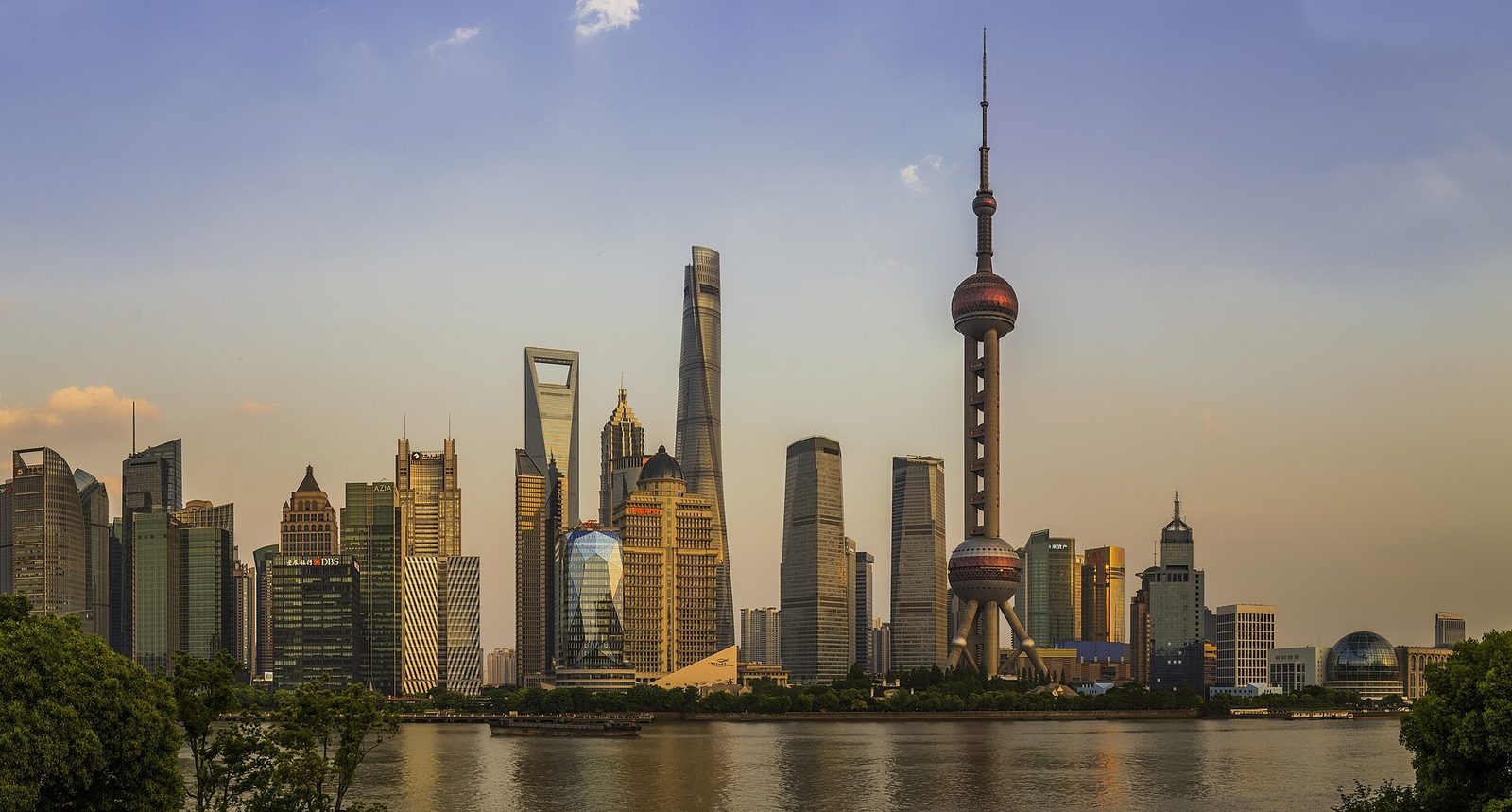
- shanghai is basically five cities stitched together: a ming county town, two foreign concessions, a temple district and a 1990s skyline on old farmland.
- first trip and want the classic view? stay near the bund. want quiet, leafy, café-hopping shanghai? the former french concession.
- jing'an is the most central, best-connected base. lujiazui is for tower views, not for evenings out.
- do yu garden right at opening on a weekday, or don't do it at all.
most cities grow outward from one center. shanghai grew from at least four, all at the same time, run by different people with different ideas about what a city should look like. that’s why you can walk 20 minutes and go from a ming-dynasty garden to a 1920s bank to a tower that’s taller than anything in america.
so before you book a hotel, it helps to know which shanghai you actually want to wake up in. here are the five that matter for a first trip, plotted by how old they feel and how loud they get.
the shanghai vibe map
tap a neighborhood. placement is our vibe read, not science.
the bund 外滩
a 1920s banking skyline staring down the 2020s one
the backstoryafter the 1842 treaty of nanking forced shanghai open, british traders claimed this muddy towpath on the huangpu, and by the 1920s it was a wall of banks and trading houses built to look like london and new york. the hsbc building (1923) and the customs house next door (1927, with its big clock) are the headliners; sassoon house, now the fairmont peace hotel, finished the art deco flex in 1929. the buildings outlived the people who built them — today it's a promenade where the whole city comes to look across the river at the future.
you’ll love it iffirst-timers who want the postcard, architecture nerds, anyone who loves a city skyline at dusk.
- waibaidu bridgestart at the 1907 steel bridge over suzhou creek and look south down the whole curve of the bund.
- the bund promenadewalk the raised riverside path past the old banks; the hsbc building and customs house are the ones to stop at.
- east nanjing roadturn inland onto the pedestrian street and let the neon swallow you as the bund lights come on.
- shengjian bao (pan-fried soup buns)crispy bottoms, soupy insides, about $1–2 for four at a chain shop just inland. watch the squirt.
- a drink at a bund rooftop barpricey (think $12–20 a cocktail) but the view across to pudong is the whole point.
former french concession 原法租界
plane trees, art deco flats and the best coffee in china
the backstoryfrance carved out its own concession in 1849, south of the british-american zone, and kept expanding it west into farmland until it was a district of villas, apartment blocks and plane-tree-lined avenues. architects like lászló hudec built here — his wukang mansion (1924, then the normandie apartments) sits on a sharp corner like a ship's prow. after 1949 these flats were split up and handed out (film stars lived in the wukang mansion), and the whole area got protected as a historic zone, which is why it still feels like the 1930s with better espresso.
you’ll love it ifslow walkers, café people, architecture lovers, and anyone who wants shanghai to feel livable rather than huge.
- wukang mansionstart at the corner of wukang road and huaihai road for the photo everyone takes — it's earned.
- wukang roadwander north under the plane trees past old villas; the writer ba jin's former home is along here.
- anfu roadcut east onto anfu road for indie shops, the dramatic arts center and a coffee you will think about later.
- congyou banmian (scallion oil noodles)shanghai's most humble perfect dish: noodles, dark soy, fried scallion oil. usually $2–4.
- a flat white on anfu roadshanghai has more coffee shops than almost any city on earth and this street is the runway. ~$4–6.
jing'an 静安
a golden temple in a canyon of luxury malls
the backstoryjing'an temple traces its founding to 247 ad, moved to this spot in 1216, and gave the area its name; west nanjing road outside was once called bubbling well road after a spring by the temple. the temple was turned into a factory during the cultural revolution, returned to monks in 1983, and rebuilt in gold — the pagoda only went up in 2010. around it, the international settlement left lane-house compounds like zhangyuan, shanghai's biggest shikumen cluster, which reopened in 2022 as a restored (and very fancy) lane neighborhood.
you’ll love it ifpeople who want old and new in the same five minutes, shoppers, and anyone who likes being central with good transit.
- jing'an templegold roofs, incense and the skyscrapers reflected behind them. entry is a few dollars.
- zhangyuanwalk to the restored shikumen lanes off wujiang road — stone gate frames, brick alleys, boutiques inside 100-year-old homes.
- jing'an villasfinish in the lived-in lane compound off west nanjing road, laundry and all — be quiet, people live here.
- shengjian bao on wujiang roadthe famous xiao yang shengjian chain started around here; get a box and eat it standing up.
- a mall food court lunchjing'an's malls have absurdly good basements — dumplings, noodles, buns, most under $8.
the old city & yu garden 老城厢 · 豫园
the shanghai that was here before the foreigners came
the backstorythis is chinese shanghai: a county town ringed by a wall built in 1553 to keep out coastal pirates, and torn down in 1912 after the qing fell — its outline survives as the round renmin road / zhonghua road loop. inside, a ming official named pan yunduan spent about 18 years (1559–1577) building yu garden for his aging parents, all rockeries, ponds and zigzag bridges. the bazaar around it is a later rebuild and pure tourist chaos, but walk a few blocks out and the old lane streets still feel genuinely local.
you’ll love it ifhistory people, garden people, dumpling people, and anyone who can handle a crowd.
- yu gardengo at opening and get the rockeries, carp ponds and dragon walls before the tour groups (~$5–6).
- huxinting teahouse & zigzag bridgethe lake pavilion in every photo; the zigzag bridge is said to throw off evil spirits, which only travel straight.
- city god temple & the lanes southpop into the temple, then drift out of the bazaar into the older streets where real life starts again.
- xiaolongbaonanxiang-style soup dumplings are from just outside shanghai and this is their spiritual home. the line is part of it.
- crab-roe soup dumplingsthe giant ones you sip through a straw — gimmicky, delicious, a once-a-trip move.
lujiazui 陆家嘴
thirty years ago this was farmland. now look at it
the backstorywhen the government announced the pudong new area in april 1990, the east bank was mostly farms, warehouses and docks. then it went up all at once: the oriental pearl tower in the mid-'90s, jin mao in 1999, the 'bottle opener' world financial center in 2008, and the 632-meter shanghai tower, finished around 2015, china's tallest building. one 1910s courtyard mansion survived in the middle of it all, which tells you how fast everything else changed.
you’ll love it ifskyline addicts, observation-deck people, and anyone who wants to feel like they walked into the year 2080.
- lujiazui ring walkwaythe circular elevated footbridge links the towers — stand in the middle and spin.
- shanghai tower observation deckride one of the fastest elevators on earth to the top deck; tickets are roughly $25–30.
- binjiang riverside promenadeend on the pudong side of the river looking back at the bund as it lights up.
- a mall dinner in a skyscraperthe malls under the towers have every chinese regional cuisine in one place. easy, clean, around $10–20.
- shanghai-style hongshao rou (red-braised pork)sweet, glossy, soy-braised pork belly — the city on a plate.
tap any neighborhood for a perfect three-hour walk, what to eat, the nearest metro, and the backstory. the rest of this guide is the story of how these places got so different.
how one city ended up with five personalities
the chinese county town (before 1842)
shanghai wasn’t a sleepy fishing village before the west showed up — that’s a myth. it was a busy walled county town on the huangpu, rich off cotton and river trade. the wall went up in 1553 to keep out coastal pirates, and inside it, a ming official named pan yunduan spent around 18 years building yu garden for his parents. the wall came down in 1912, but you can still trace its loop on a map: renmin road and zhonghua road make an almost perfect oval. that oval is the old city.
the treaty port (1842 onward)
then came the first opium war. the 1842 treaty of nanking forced shanghai open to british trade, and the port formally opened in late 1843. britain took a strip north of the walled town; america took land north of that; france carved out its own concession in 1849. in 1863 the british and american zones merged into the international settlement, run by a council of mostly foreign businessmen. the french kept their own, separately run, south of it.
those two foreign zones still shape shanghai today. the international settlement was about money: it built the bund’s banks, the docks and nanjing road’s department stores. the french concession pushed west into farmland and became residential, with villas, apartment blocks and the plane trees the french planted along the avenues.
art deco and the lane houses (1860s–1930s)
when the taiping rebellion sent refugees flooding into the foreign zones from the 1850s–60s, developers built rows of shikumen — “stone-gate” lane houses that mixed a chinese courtyard home with a western terrace. they stacked them into alley neighborhoods called lilong, and by some estimates, by the 1940s most shanghainese lived in one. zhangyuan in jing’an is the biggest surviving cluster, restored and reopened in 2022.
then the 1920s and ’30s brought the money and the art deco. the hsbc building (1923), the customs house (1927), sassoon house (1929, now the peace hotel) on the bund. in the french concession, the hungarian-slovak architect lászló hudec built the wukang mansion in 1924 on a corner so sharp it looks like a ship. shanghai in this era was one of the most international cities on earth, and the buildings show it.
pudong rises (1990 onward)
across the river, for all that time, there was basically nothing: farms, warehouses, docks. in april 1990 the government announced the pudong new area, and lujiazui went from fields to the most famous skyline in asia in about 25 years — oriental pearl tower in the mid-’90s, jin mao in 1999, the “bottle opener” in 2008, and the 632-meter shanghai tower around 2015.
that’s the trick of the bund at night: you’re standing in 1929, looking across the river at 2015, and 70 years ago the view was cabbages.
where to stay in shanghai, by vibe
here’s the honest version:
| if you want… | stay in | why |
|---|---|---|
| the classic first-trip view | the bund / east nanjing road | walk out to the skyline. pricey, busy, worth it once |
| quiet, leafy, cafés, walkable | former french concession | the shanghai people fall in love with |
| the most convenient base | jing’an | lines 2, 7 and 14 at one station, malls, lanes, temple |
| a tower-view room | lujiazui | insane views, dead after office hours |
| history on your doorstep | near the old city | great by day, but you’ll want to go elsewhere at night |
brandon here. first trip (the first 48 hours in china story) i stayed by the bund and loved it for two nights. every trip since, i’ve stayed in the french concession and walked to the bund when i wanted it. the bund is a place you visit. the french concession is a place you live.
the bund: where to stay for the postcard
the bund is shanghai’s front porch. if you have three days and want the iconic view out your door, this is it. the catch: hotels on the river itself are expensive, east nanjing road is loud and crowded, and restaurants right on the bund lean “tourist price.” but at 10pm when the lights are on and everyone’s out, it’s the best free show in china.
the french concession: where to wander
if i could only pick one, it’s this. walk wukang road and anfu road in the morning, sit in a café, get scallion oil noodles for lunch (a stop on our china noodle atlas), and you’ll understand why so many people move here and never leave. it’s quiet, low-rise, green, and full of 1920s–30s buildings with stories.
jing’an: the sensible base
jing’an is the “i want everything within one metro stop” pick. the temple (bring how to read a chinese temple along), the malls on west nanjing road, the lanes at zhangyuan and jing’an villas, and a huge metro interchange. it’s less romantic than the french concession and less dramatic than the bund, but you’ll get around faster than anywhere else.
the old city: go early, don’t sleep there
yu garden at 8:30am on a tuesday is serene and genuinely beautiful. yu garden at 11am on a saturday is a theme park. the bazaar around it is mostly a modern rebuild, so treat it as a snack stop, then walk south and west into the older lanes where you’ll see real shanghai life.
lujiazui: up, not out
go up the shanghai tower (roughly $25–30) or the world financial center, walk the circular elevated footbridge, then the riverside promenade. staying here gets you a room with a ridiculous view, but the streets are built for cars and offices, so evenings are quiet. if you want a guided night tour that bundles the river, the tower and dinner:
if you’re still choosing between cities, read beijing vs shanghai, and for the full city rundown see our shanghai guide. heading north too? here’s beijing’s neighborhoods compared.
the vibe check
shanghai isn’t one city, it’s a stack of eras you can walk between. the old city is the chinese county town. the bund is the treaty-port money. the french concession is the 1930s, leafy and lived-in. jing’an is where temple gold meets mall glass. lujiazui is what happened when a country decided to build a future on farmland in one generation.
pick your base by vibe (french concession or jing’an for most people), then go visit the others. bring comfortable shoes and a charged phone. trust, you’ll walk 25,000 steps without noticing.
the kit for this trip
heads up: some links above are affiliate links. if you book through them we earn a small commission at no extra cost to you — it keeps this guide free. more on that.